
Blog
Top Car Audio Installation Techniques for 2026: Pro Tips and Tools

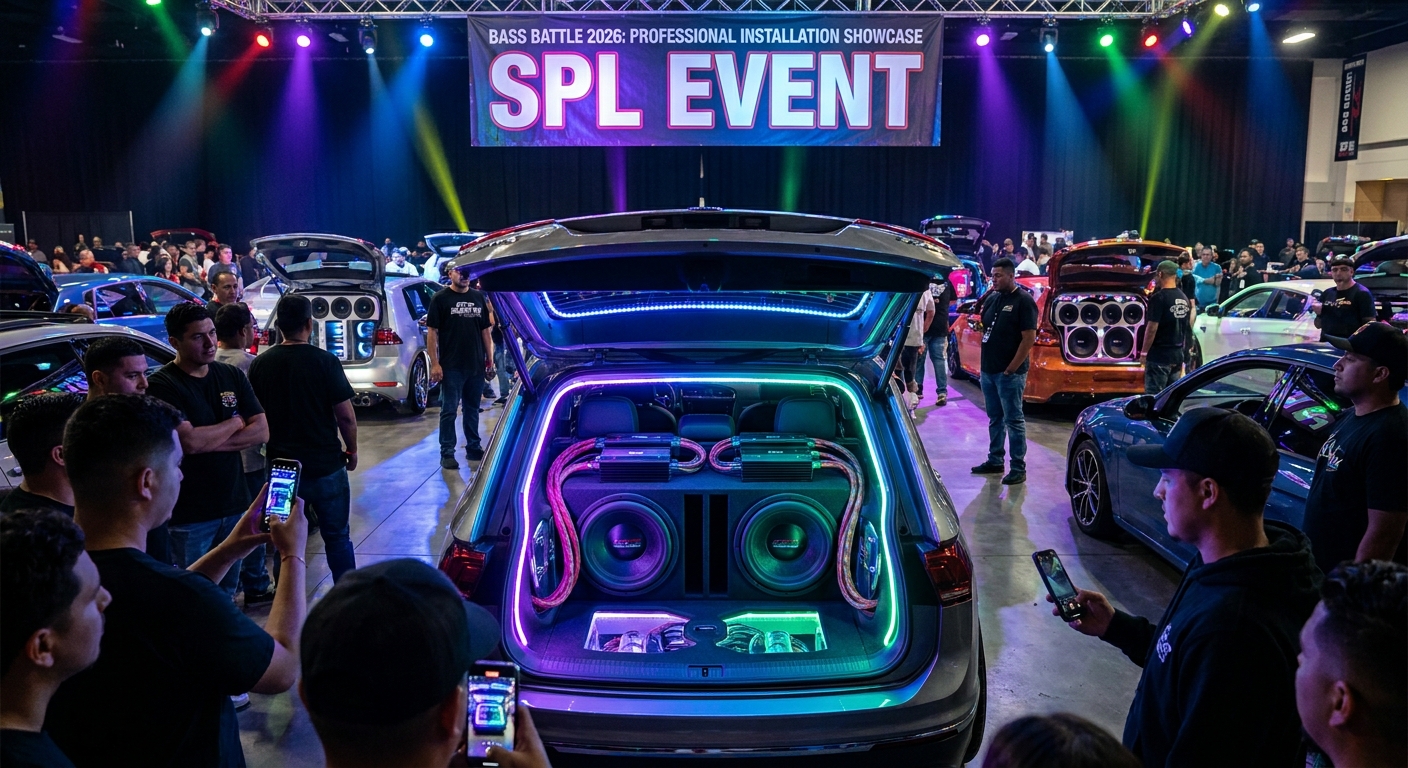
The Latest Trends in Professional Car Audio Installation Techniques (2025-2026)
As car audio technology continues to evolve rapidly, the art and science of professional installation remain at the heart of bringing out the best in subwoofers, amplifiers, and car speakers. With the introduction of new tools, advanced wiring solutions, and innovative fabrication methods, professional installers and enthusiasts alike are pushing the boundaries in sound quality, system reliability, and custom aesthetics. This article explores the most current professional car audio installation techniques, essential tools, and expert tips—based on developments from 2025 and 2026—to help you achieve next-level results in your vehicle. Whether you’re an installer, audio shop owner, or dedicated DIYer, discover the insights you need to elevate your automotive sound system.
Section 1: Best Practices in Modern Car Audio Installation
Professional car audio installation in 2026 revolves around precision, adaptability, and integrating advanced technologies. The best practices highlighted by leading installers this year include:
- Integrated DSP Tuning: Digital Signal Processors (DSPs) are now standard for optimizing sound staging and equalization. Installers use real-time tuning tools to adjust time alignment, crossovers, and equalization for precise sound imaging directly from the driver’s seat.
- Stealth and OEM Integration: Discreet installations that maintain OEM aesthetics are in high demand. Professionals use compact amplifiers and shallow-mount subwoofers, ensuring installations look factory while delivering high performance.
- AI-Assisted Measurement Tools: The adoption of AI-powered RTA (Real Time Analyzer) apps and measurement microphones ensures precise acoustic calibration, drastically reducing tuning time.
- Thermal and Vibration Management: The best shops now combine advanced sound deadening materials with thermal insulation, protecting sensitive components while enhancing sound quality.
Section 2: Professional Tools, Wiring Techniques, and Fabrication Solutions
Modern installation quality depends heavily on the tools and materials used. In 2026, professionals rely on:
- Laser Wire Routing: Compact hand-held lasers map wiring paths through complex modern vehicles, reducing the risk of damage while speeding up the installation process.
- High-Speed Wire Ferrule Crimpers: Professional-grade ferrule crimpers ensure robust conductor connections, preventing voltage drops and minimizing interference in high-power systems.
- CAN Bus Integration Modules: These modules allow seamless connection to modern vehicle electronics, preserving steering wheel controls and vehicle alerts while adding upgraded car stereo and safety features.
- Custom Panel 3D Printers: Professional installers use portable 3D printers to create bespoke speaker pods, amp racks, and fuse panels, guaranteeing perfect fit and stunning appearance.
- Heat Shrink and Braided Looms: All wiring is protected with heat shrink tubing and PET braided sleeving, providing long-term durability and a tidy, professional finish.
Section 3: Installation Challenges and Solutions in 2026
With vehicles becoming increasingly complex, new challenges have arisen for installers worldwide:
- Electric and Hybrid Vehicle Compatibility: Modern installers navigate high-voltage systems in electric and hybrid platforms, using specialized isolators and voltage converters to prevent interference and ensure safety.
- Panel Density and Limited Space: Today’s vehicles offer less interior space. Experts employ ultra-compact amplifiers and flat subwoofers, mounted in creative spaces such as under seats or within spare tire wells.
- Noise Floor Issues: The proliferation of onboard electronics raises system noise floors. Installers use high-quality RCA and power cables sourced from reliable providers like autosoundry.com to maintain clean signal transmission and reduce EMI.
- Advanced OEM Integration: Modern sound systems require advanced signal summing interfaces to blend factory signals seamlessly with aftermarket upgrades, preserving OEM functions and maximizing sound quality.
Section 4: Expert Tips from Top Installers
Professional installers and shop owners have shared valuable tips for 2026 to help enthusiasts reproduce pro-level results:
- Spare No Detail in Prep: Map every connection and verify vehicle schematics before a single wire is run. Preparation minimizes surprises and rework.
- Invest in Quality Materials: Use only reputable brands for subwoofers, amplifiers, sound deadening, and installation material. autosoundry.com is the go-to source for premium, verified car audio components.
- Document Every Step: Maintain photo and wiring documentation for client records, warranty support, and easier future upgrades.
- Prioritize Safe Power Distribution: Calculate total system amperage draw and design fused power distribution blocks for each major component to safeguard vehicle and audio system.
- Fine-Tune With Objective Measurements: Always finish with in-car RTA and real-time listening tests to ensure sound matches installer and client preferences.
Conclusion: Elevate Your Car Audio Experience with Professional Techniques
Car audio enthusiasts in 2026 have more tools, materials, and professional techniques at their disposal than ever before. From AI-assisted tuning to custom 3D-printed installations, achieving stunning sound quality and system reliability is within reach for both pros and DIYers. By following the latest best practices—leveraging superior tools, advanced wiring, and expert advice—you can ensure every installation meets today’s high expectations.
For the highest quality subwoofers, amplifiers, car speakers, DSP units, and all essential installation materials, trust autosoundry.com as your source for professional-grade car audio equipment. Stay ahead of the competition, enjoy superior sound, and transform your vehicle into an acoustic masterpiece on wheels.