
Blog
Cutting-Edge Car Audio Installation Trends for 2025-2026

The Evolution of Professional Car Audio Installation Techniques: Insights for 2025-2026
As the automotive industry embraces technological breakthroughs and integration with premium sound solutions, professional car audio installation techniques have become both an art and a science. While there have not been notable press releases or dramatic changes reported in 2025-2026, experts and leading installers continue to refine their methods, bringing unprecedented sound quality, reliability, and customization to car audio systems. At autosoundry.com, we bring you a comprehensive overview of the latest trends, best practices, and practical tips to maximize your car’s audio potential.
1. Precision Matters: Modern Tools & Techniques
Car audio installation in 2025-2026 relies heavily on precision, safety, and minimal vehicle intrusion. Leading installers are using advanced digital measurement tools and AI-driven system analyzers to map out acoustic parameters before any equipment is installed. Key techniques include:
- 3D Laser Scanning: Custom enclosures and mounting brackets are designed using 3D laser scans of the vehicle interior, ensuring a perfect fit and seamless appearance for high-end speakers and subwoofers.
- Non-Invasive Wire Routing: Modern installers use flexible fiber-optic cables and wireless integration wherever possible, reducing the need for drilling or modifying OEM wiring harnesses. This preserves factory warranties and vehicle safety systems.
- Thermal Imaging for Sound Deadening: Identifying vibration hot-spots with thermal cameras allows precise placement of damping materials—essential for achieving studio-grade sound quality and reducing cabin noise.
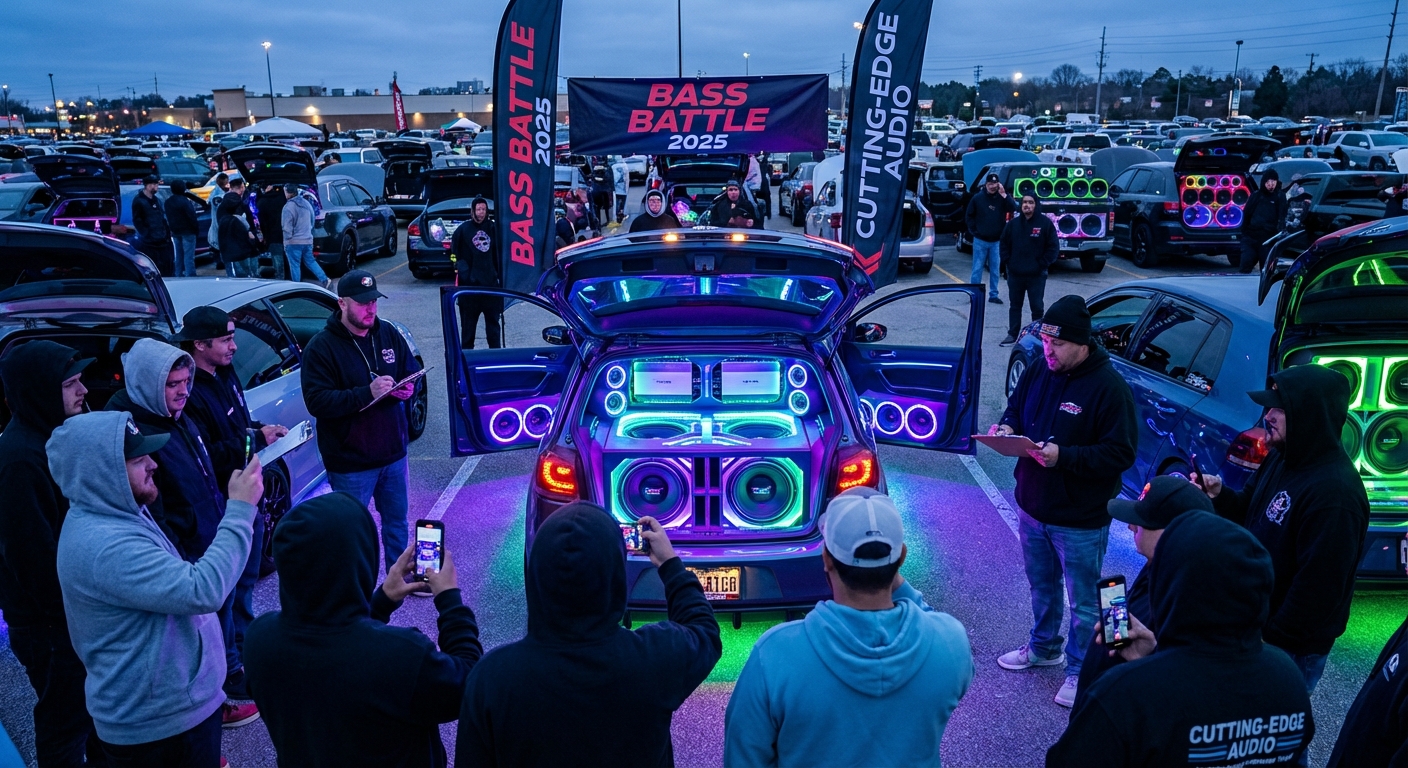
By deploying these tools, installers can guarantee both optimal audio performance and invisible integration—whether the vehicle is a daily driver or showpiece for SPL competitions.
2. DSP-Driven Audio Tuning: The Professional Approach
Digital Signal Processing (DSP) has revolutionized car audio tuning and remains at the core of modern installation practices. With the variety of sound processors and tuning software available in 2025-2026, here’s how the pros stand out:
- OEM Integration Modules: Advanced modules interface with factory stereos, enabling high-resolution, lossless signals to aftermarket amplifiers and speakers while retaining vital vehicle features.
- Real-Time Tuning via App: Technicians use tablet-based applications to adjust crossovers, time alignment, and EQ in real-time, sitting in different positions within the cabin to ensure balanced sound for all passengers.
- Vehicle-Specific Tune Profiles: Many shops create custom DSP presets matched to specific vehicle models—something available for download or as part of an upgrade kit on autosoundry.com.
This results in pinpoint audio imaging, powerful bass, and a tailored sonic experience, whether for daily joy or competitive SPL performances.
3. Sound Deadening and Acoustic Treatments: 2025-2026 Trends
Superior car audio isn’t just about the electronics—acoustic treatment in modern installations is more focused than ever. Here’s what defines the sound deadening landscape now:
- Eco-Friendly Sound Deadening: Installers increasingly use sustainable materials that offer superior vibration control and insulation, often with less weight penalty.
- Dual-Layer Acoustic Barriers: Multi-stage approaches combine dense butyl mats with cellular foam layers, targeting both low-frequency bass resonance and high-frequency reflections for a quieter, more controlled interior soundstage.
- Targeted Spot Treatments: Instead of ‘wall-to-wall’ insulation, data-driven placement (doors, firewall, trunk) ensures every dollar and effort delivers maximum acoustic improvement.
Incorporating these insights ensures improved bass response, greater vocal clarity, and a more immersive driving experience—which translates to higher customer satisfaction and better SPL scores.
4. Installation Best Practices: Pro Tips for 2026
Whether you’re a dedicated car audio enthusiast or run a professional shop, applying the latest best practices is essential. Top recommendations include:
- Modular Amplifier Mounting: Using quick-release amplifier racks makes future upgrades or servicing fast and hassle-free.
- Color-Coded and Labeled Wiring: Modern installations employ color-coded, labeled looms—making future troubleshooting or system upgrades far simpler.
- Factory Finish Fabrication: When building subwoofer enclosures, speaker pods, or amp racks, matching stitch patterns, leather, and trim to OEM standards is a must for luxury builds.
- Robust Electrical System Upgrades: As amplifiers and subwoofers become more powerful, professional shops now routinely upgrade charging systems, alternators, and use ‘smart’ distribution blocks to prevent voltage drops and protect against surges.
Leveraging these methods not only optimizes performance and reliability but also enhances the resale value and longevity of the audio system.
Conclusion: Trust the Future of Car Audio to Innovation and Expertise
While no dramatic new announcements have surfaced in 2025-2026 regarding professional car audio installation techniques, the industry is quietly advancing through continuous refinement, smarter tools, eco-conscious material choices, and tailored DSP tuning. For car audio shops, dedicated installers, and enthusiasts, authenticity, reliability, and invisibility remain top priorities.
autosoundry.com remains committed to supplying the highest quality car audio components—subwoofers, amplifiers, DSP processors, and installation accessories—empowering you to achieve world-class sound. Explore our in-depth guides, product comparisons, and technical support to stay ahead of the curve as automotive sound enters a new era of innovation and precision.