
Blog
2026 Car Amplifier Innovations and Power Tips for Car Audio Pros

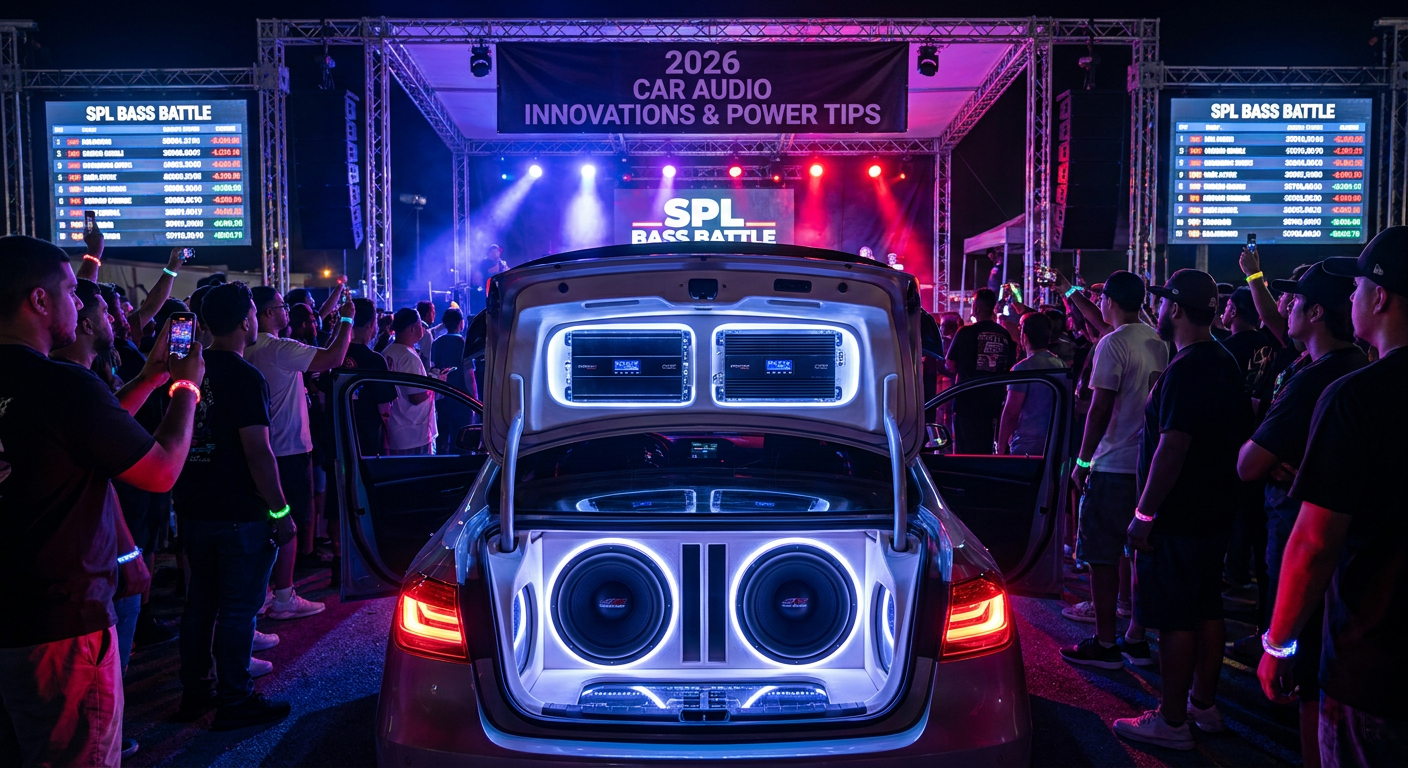
Latest Car Amplifier Power Innovations and Installation Tips for 2025-2026
The world of car audio continues to evolve at an impressive pace, and 2025-2026 has seen a wave of new amplifier releases and power distribution advancements. Whether you’re an enthusiast seeking to dominate the SPL circuit or an installer aiming to create high-performance automotive sound systems, understanding the latest amplifier models, technologies, and installation best practices is crucial. In this comprehensive guide, we’ll break down the standout amplifiers of 2025-2026, new trends in power ratings and distribution, and essential tips to ensure your car audio build is both powerful and reliable.
1. Standout Amplifier Releases of 2025-2026
Amplifier technology has undergone significant refinement, with leading brands delivering more powerful, efficient, and compact models:
- Kicker Q-Class Series (2025): Launched with advanced Class D technology, these amplifiers achieve power ratings up to 2500 watts RMS. They’re engineered for enthusiasts demanding high output without sacrificing efficiency.
- JL Audio RD1500/1 (Late 2025): This monoblock amp pushes 1500 watts RMS from a sleek, compact chassis—ideal for stealth installations or modern vehicles with limited space.
- Alpine PDX Series (2026): Alpine’s refreshed range includes models from 4-channel to monoblock configurations, offering 600 to 1500 watts RMS. Exceptional build quality and versatile footprint make these amps favorites among high-end installers.
Multi-channel innovations are also in the spotlight. The new JL Audio VX600/6i 6-channel amplifier stands out, equipped with advanced DSP and delivering 75W x 6 channels or 200W x 3 channels bridged. Such flexibility lets users power complex speaker setups—including mids, highs, and subwoofers—from a single unit.
2. Power Ratings, Class D Dominance, and System Design Trends
The industry is firmly entrenched in the pursuit of higher power and better efficiency:
- 2000+ watts RMS: 2025-2026 continues the move toward massive output, with more amplifiers breaking the 2k-watt barrier. This makes designing high SPL or bass-centric installs easier than ever before.
- Class D Technology: Nearly all premium amplifiers now use Class D circuitry. Benefits include increased energy efficiency, minimal heat generation, and the ability to fit serious output into smaller housings—making installation cleaner and easier.
- Integrated DSP: As seen in the new JL Audio VX series, digital signal processing is becoming standard. Built-in DSP allows for precise tuning, filtering, and system optimization, crucial for achieving reference-level sound quality.
For those building competition cars or studio-grade daily drivers, these advances mean less compromise and more capability—even when space and power constraints exist.
3. Power Distribution Enhancements & Installation Best Practices
Power management is more critical than ever with rising amplifier outputs:
- Wiring Matters: For amps over 1000 watts RMS, use high-quality 4 AWG or thicker power and ground cables to safely handle current draw and prevent voltage drops.
- Fusing: Always install appropriate fuses as close to the battery as possible. Many modern amps feature built-in fusing to add another layer of protection.
- Mounting: Choose a well-ventilated mounting location, away from potential water ingress and sources of heat. This prevents thermal shutdowns and extends amplifier life.
Power distribution technology has also seen innovation. The Stinger Smart Battery Isolator (2025) simplifies the addition of aftermarket amplifiers to modern vehicle electrical systems, ensuring reliable power delivery without overtaxing the vehicle’s primary battery or electronics.
Major brands now offer plug-and-play wiring harnesses for popular car models, streamlining installation and minimizing wiring errors—a huge advantage for both professionals and DIY enthusiasts.
4. Choosing and Installing Your Next Amplifier: Pro Tips
Whether you’re upgrading a daily driver or prepping a competition build, keep these professional recommendations in mind:
- Assess Your Power Needs: Match amplifier output to your speakers’ and subwoofers’ RMS ratings for optimal performance and reliability.
- Plan Your Layout: Sketch your power distribution system, including battery, fusing, ground points, and amplifier locations before you begin installation.
- Don’t Skimp on Accessories: Invest in quality wiring kits, fuse holders, and terminals. Cheap or undersized wiring can lead to performance loss or even safety hazards.
- Consider DSP Integration: If your system is multi-amped, a DSP can seamlessly manage crossovers, time alignment, and equalization for studio-level sound quality.
- Source from Experts: Trust reputable suppliers like autosoundry.com for the latest car amplifiers, power cables, distribution blocks, and expert support.
Conclusion: Amplifier Tech Raises the Bar for 2026 & Beyond
The car audio landscape in 2025-2026 demonstrates clear trends: More power, greater efficiency, smarter features, and easier installations. Whether your passion is window-rattling SPL, show-stopping clarity, or both, today’s amplifiers and power management tools make achieving world-class results more accessible than ever. Stay updated with proven installation techniques, don’t compromise on wiring or accessories, and leverage advanced DSP for next-level tuning.
Ready to upgrade your sound? Explore the latest amplifiers, wiring solutions, and expert advice at autosoundry.com—your trusted partner in high-end car stereo, subwoofers, amplifiers, and all things automotive sound.