
Blog
Car Audio Installation Trends 2025-2026: Best Tech and Practices

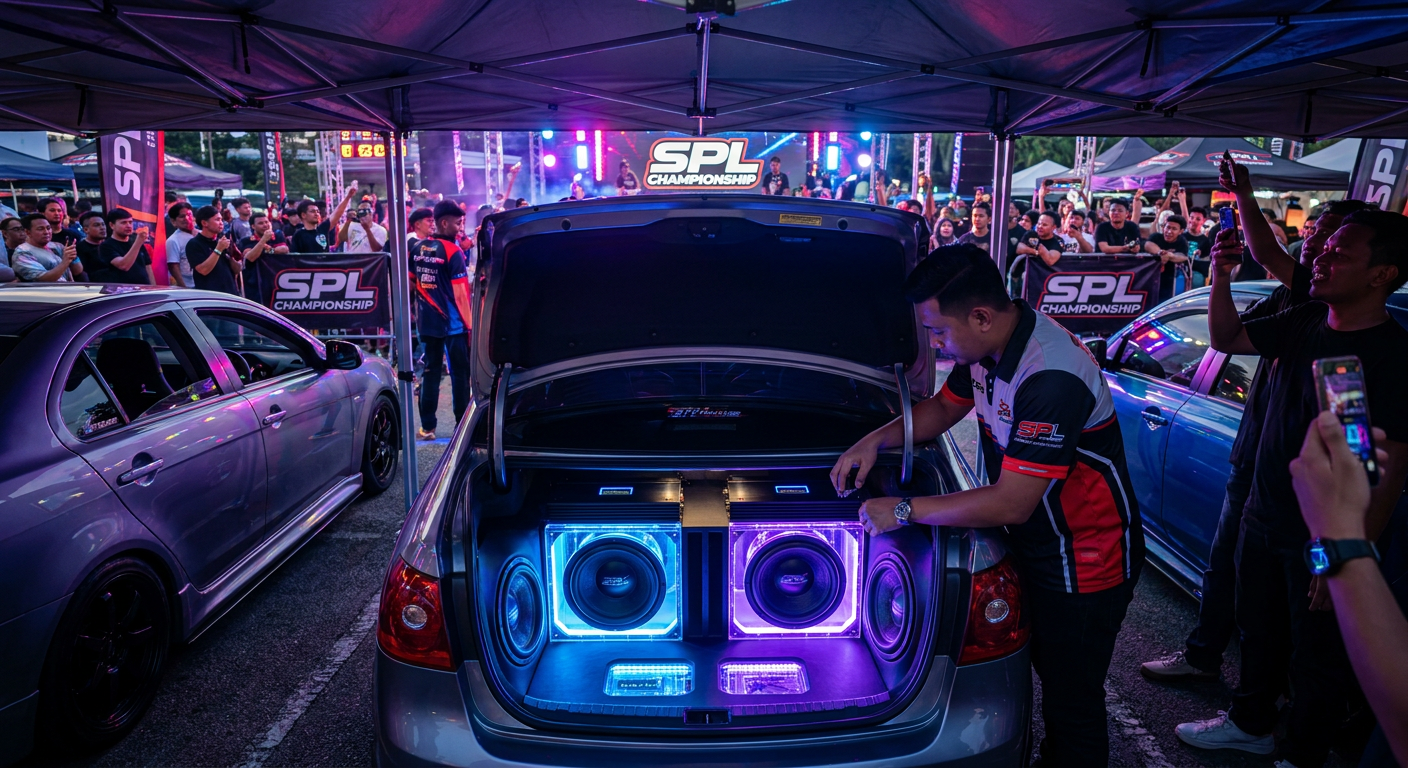
Revolutionizing Car Audio Installation in 2025-2026: The Latest Techniques and Best Practices
The world of professional car audio installation is evolving at an astonishing pace. Recent years have seen innovations that not only raise the bar for sound quality but also optimize the entire installation process. If you’re a car audio enthusiast, installer, or shop owner, keeping up with these trends is crucial. Let’s delve into the most significant advancements and best practices shaping car audio installation in 2025 and 2026.
1. 3D Printing: The Custom Fabrication Game-Changer
The adoption of 3D printing technology has dramatically transformed the landscape of car audio installations. In both the United States and the European Union, installers now routinely leverage 3D printers for creating custom mounting brackets, intricate speaker pods, and even entire subwoofer enclosures. The advantages are clear:
- Precision Fitment: 3D-printed components provide an exact fit, eliminating gaps and enhancing the final appearance and acoustic integration.
- Accelerated Turnaround: Custom fabrication using 3D design software allows installers to move from concept to component in hours rather than days.
- Enhanced Design Freedom: Complex geometries that were once impossible or prohibitively expensive with traditional hand-built methods are now practical and accessible.
At autosoundry.com, you’ll find car audio components designed with new fabrication techniques in mind, perfect for both DIY enthusiasts and professional installers seeking next-level results.
2. Advanced Sound Deadening and Vibration Control
Achieving true hi-fi sound in a car environment involves more than just premium subwoofers and amplifiers—it’s also about controlling unwanted noise and vibrations. In both Spain and the United Kingdom, leading installers underline the crucial role of modern sound deadening materials in attaining pristine sound quality. Here’s what the pros recommend for optimal acoustic treatment:
- Use High-Density, High-Performance Materials: Products like mass-loaded vinyl (MLV) and high-grade butyl rubber outperform generic options for blocking noise and absorbing vibration.
- Liberal Application: Focus sound deadening materials on doors, floors, trunk areas, and wheel arches to create a quiet, controlled listening environment.
- Layer for Maximum Effect: Combining different types of materials—such as a butyl base with a foam topper—can address both airborne noise and structural vibrations.
Explore the latest in sound deadening tech at autosoundry.com’s dedicated Sound Deadening section for products engineered for today’s demanding installations.
3. Signature Wiring: Merging Function and Art in Asia
Wiring has always been vital in car audio, but in 2026, Asian installers raised the bar with the innovation of signature wiring. This approach goes beyond mere function:
- Unique Visual Identity: Distinct color patterns and routing styles give each installation a signature look, which is fast becoming a sought-after aesthetic in high-end builds across Asia.
- Improved Troubleshooting and Upgrades: Organized, visually coded wiring harnesses make it simple to track circuits, diagnose issues, and future-proof for system upgrades.
- Professional Craftsmanship Showcase: Installers use signature wiring to display their skill and attention to detail, further distinguishing their brand in the competitive car audio market.
Whether you’re aiming for neatness or show-ready style, investing in premium wiring kits from autosoundry.com ensures reliability and performance to match your system’s visual flair.
4. Pro Tips from the 2026 Global Installer Roundtable
Some tried-and-true methods never go out of style, but even the old guard is evolving. In an exclusive roundtable hosted by Autosoundry, top installers from every continent shared what works best for overcoming installation challenges today. Here’s their expert advice:
- Invest in High-Quality Tools: Precision tools are critical for efficiently working with new materials and intricate system layouts.
- Plan and Test Fit: Spend the time upfront to plan your installation thoroughly and do test fits, especially when adopting techniques like 3D-printed parts or advanced sound deadening.
- Collaborate: Don’t hesitate to reach out to online communities and professional networks when facing unusual or difficult installations—crowdsourcing solutions is faster than ever.
- Stay Updated: With technologies like digital signal processing (DSP), wireless audio, and advanced control systems evolving rapidly, continuous learning is no longer optional for professionals.
For installers looking to expand their knowledge, the Autosoundry blog and product resources section offer invaluable insights into the latest products and installation methods.
Conclusion: The Future of Car Audio Installation is Here
The car audio installation scene in 2025 and 2026 stands at the cutting edge of technology and creativity. From 3D printing for perfect-fit enclosures to signature wiring that turns every build into rolling artwork, there’s never been a better time to get involved in high-end car audio. Combined with next-level sound deadening and a global culture of collaboration, the latest best practices empower both professionals and DIY fans to create systems that sound—and look—unbelievable.
For access to the most advanced car audio equipment, expert installation guides, and all the materials you need to take advantage of these new trends, trust autosoundry.com—your partner in premium automotive sound.